The Importance of Experimentation in Hairstyling

Introduction: Why Experimentation Sets You Apart
Every iconic hairstylist has one thing in common: they didn’t stick to the script. They pushed boundaries, tested new textures, colour combos, and techniques.
Experimentation is the engine of growth — it’s how trends are set, techniques are refined, and artistry is born.
Playing it safe may satisfy clients in the short term, but it rarely leads to innovation, recognition, or memorable work.
Experimentation allows you to:
Discover signature techniques.
Expand your skillset and creativity.
Build a portfolio that stands out in a competitive market.
Create a Safe Space for Experimentation
Before diving into bold ideas, create an environment where mistakes are part of the process. Use mannequin heads, wigs, or willing models to try new cuts, textures, and colour applications.
Document your experiments through photos or videos — this builds a visual archive to track what works and what doesn’t. Over time, you’ll see patterns in your creativity and identify techniques worth refining.
Push Your Technical Boundaries
Experimentation isn’t just creative; it’s technical. Challenge yourself with:
New cutting techniques: layers, fades, or precision cuts.
Innovative colour: balayage, vibrant pastels, or metallic tones.
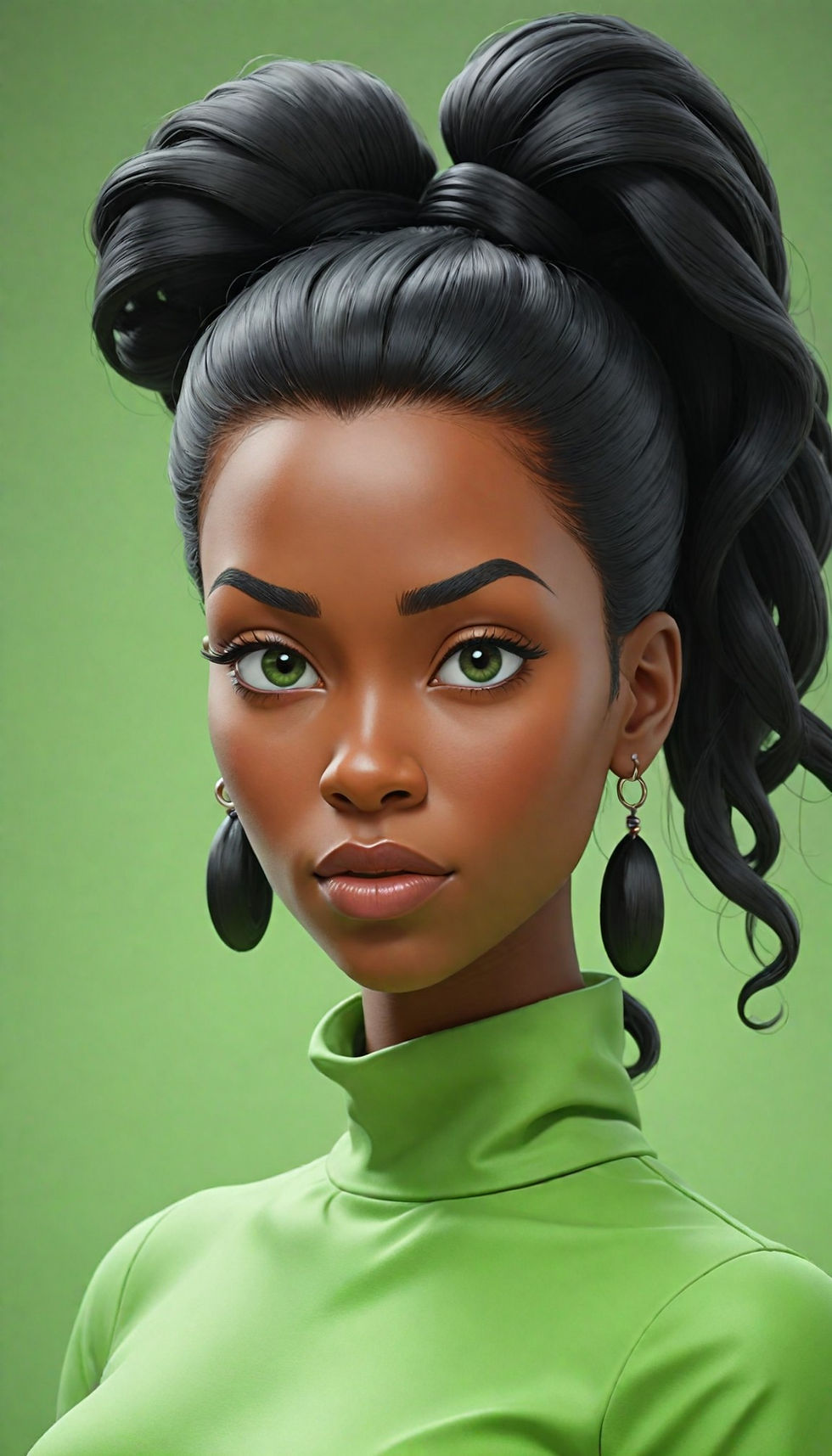
Styling methods: braids, textures, or sculptural updos.
By testing new technical approaches, you expand your capabilities and increase your versatility, making you more attractive to diverse clients and opportunities.
Learn From Failure
Not every experiment will succeed — and that’s the point. Mistakes teach lessons that theory alone cannot.
Observe how hair responds to different products, textures, or tools.
Adjust techniques based on what didn’t work.
Embrace “failed” looks as stepping stones to mastery.
Stylist growth comes from iterating, refining, and applying lessons learned.
Experiment With Conceptual Styles
Beyond technique, experimentation can explore artistry and storytelling:
Test asymmetrical designs or unconventional shapes.
Play with movement, layers, and volume in abstract ways.
Integrate fashion, makeup, or accessories for a cohesive creative concept.
Conceptual experimentation stretches your mind and portfolio, preparing you for competitions, editorial work, and high-profile clients.
Collaborate to Experiment
Two heads are better than one. Working with makeup artists, photographers, and stylists lets you combine ideas and push each other creatively. Collaboration encourages risk-taking in a controlled, constructive environment.
Feedback from peers helps refine your experiments and ensures that your creativity is intentional and impactful.
Document and Share Your Experiments
Creating a visual record of your experiments benefits your brand and personal growth:
Post behind-the-scenes snippets on social media.
Build a portfolio of innovative techniques.
Use failures and successes as teaching tools in workshops or tutorials.
Showing your experimentation publicly demonstrates confidence, creativity, and authenticity — traits clients and collaborators value.
Fun Fact
Some of the most iconic hair trends, from the shag to bold balayage shades, began as stylist experiments that pushed traditional boundaries. Innovation thrives where risk is allowed.
Case Study: From Experiment to Signature Technique
A stylist in London experimented with layered balayage on mannequin heads, blending subtle pastels in an unconventional pattern. The first few attempts were inconsistent, but through iterative testing and photography, the technique evolved.
Eventually, the stylist introduced it to clients and social media, branding it as their signature look. Within months, they gained a following, booked editorial shoots, and were recognised for innovation in colour technique.
The lesson? Experimentation leads to personal branding and professional growth.
FAQs
Do I need clients to experiment?
Not initially. Start with mannequins, wigs, or practice sessions to test new ideas safely.
What if my experiment fails?
Learn from it. Every failure provides insights on technique, product choice, or styling methods.
How often should I experiment?
Regularly. Make experimentation part of your weekly or monthly routine to keep creativity flowing.
Can experimentation help with personal branding?
Absolutely. Signature techniques and unique styles often emerge from consistent experimentation, boosting recognition and demand.
What Area Do You Experiment With Most?
0%Cutting techniques ✂️
0%Colour combos 🎨
0%Styling and texture 💇🏽♀️
0%Conceptual or editorial designs 📸
Share your favourite hairstyling experiment — whether it worked or not! What did you learn from taking the creative risk? 👇🏽

Comments