💇🏾♀️ The Difference Between Editorial, Runway, and Commercial Hair

✨ Introduction: Beyond the Salon Chair
Let’s be real — hairstyling in the creative world isn’t for the faint-hearted. It’s bold, expressive, and packed with pressure and passion. Whether you’re backstage at Fashion Week, prepping models for a beauty campaign, or shooting for Vogue Italia, each setting challenges your artistry in a unique way.
Knowing how to navigate between editorial, runway, and commercial hair doesn’t just make you versatile — it makes you unstoppable. These three realms overlap, but the approach, pace, and purpose behind them are completely different.
If you’ve ever wondered why some stylists thrive on set while others dominate backstage, this deep dive will help you understand the heartbeat of each creative lane — and how to master them all.
🖋️ Editorial Hair: Storytelling in Motion
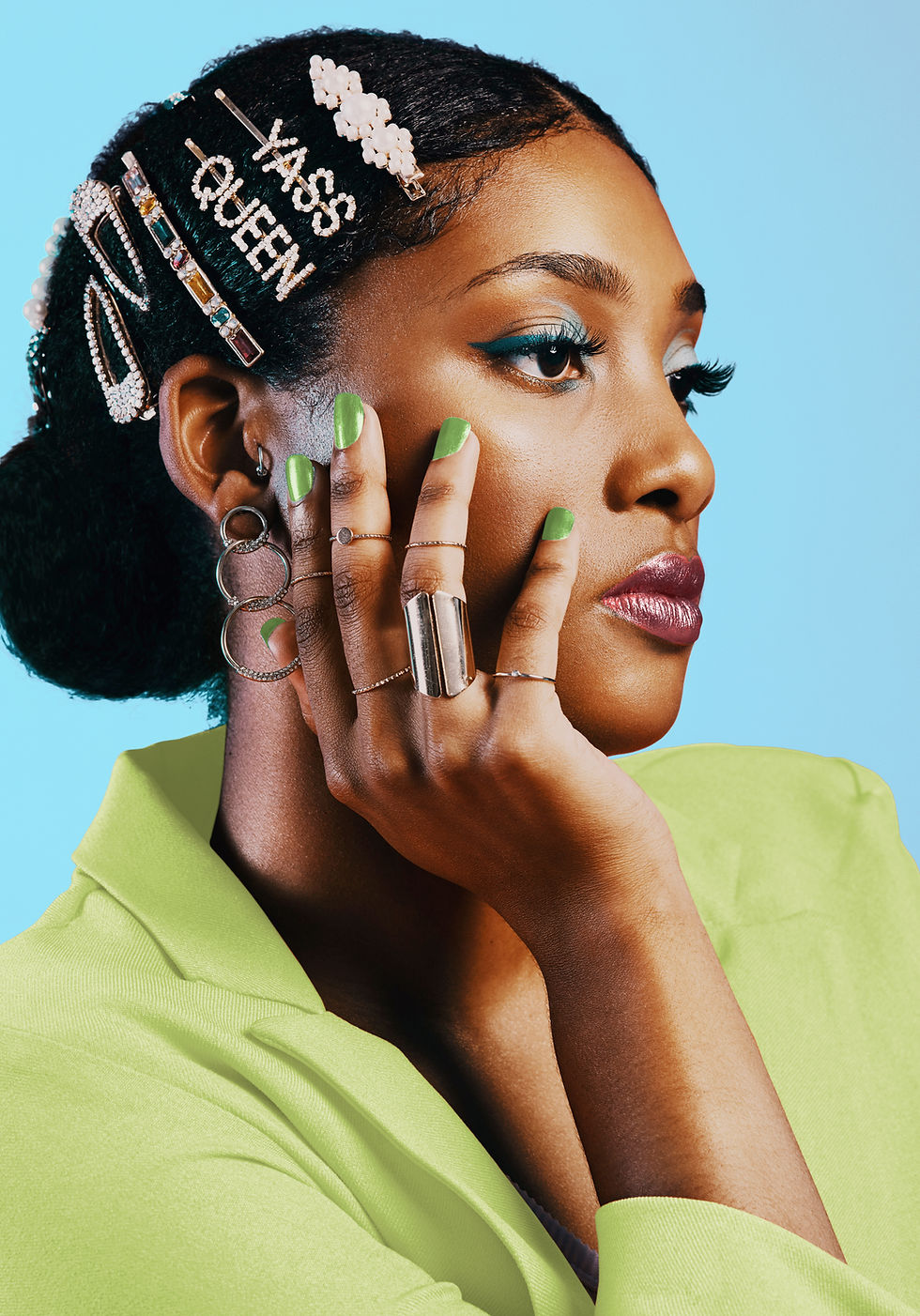
Editorial hair is pure artistry. It’s the heart and soul of fashion magazines, creative photo shoots, and avant-garde projects where hair becomes an expression of emotion and concept. In editorial work, hair isn’t just styled — it’s sculpted, exaggerated, and emotionally charged.
An editorial shoot might explore themes like power, vulnerability, culture, or rebellion. Every curl, strand, and texture contributes to the story being told. Editorial stylists often collaborate with photographers, stylists, and makeup artists to create a cohesive narrative that looks effortless — but is meticulously crafted.
Editorial hair lives in the moment. It’s often experimental, sometimes imperfect, and always meaningful. You’ll find looks that push boundaries — a sculptural updo inspired by nature, wet textures paired with abstract makeup, or minimal sleekness that speaks louder than volume ever could.
The vibe: Artistic. Expressive. Concept-driven. The goal: To tell a story and evoke emotion through hair. The skill:Vision, collaboration, and precision under pressure.
🕊️ Case Study: The Editorial Visionary
Stylist: Keisha Natori, London-based session stylist When Keisha worked on a Harper’s Bazaar shoot themed around “Freedom,” she built her concept around the movement of wind. Every hairstyle was light, airy, and free-flowing, using sheer fabrics and breeze machines to create motion. “Editorial work isn’t about control,” she says. “It’s about surrendering to the story.”
Her ability to blend technique with storytelling earned her international recognition — proving that editorial success isn’t just about beauty, but emotion.
👠 Runway Hair: Controlled Chaos with Flair
If editorial work is about storytelling, runway hair is about statement-making — fast. The backstage energy at fashion week is electric, and stylists need to deliver perfection under extreme pressure.
Runway hair needs to photograph well from every angle, withstand hours of movement, and align seamlessly with the designer’s vision. It’s where hair becomes part of the fashion — enhancing silhouettes, textures, and moods on stage.
Unlike editorial work, where there’s time for tweaking and lighting adjustments, runway styling happens in real time. You might have just 15 minutes per model, limited tools, and hundreds of eyes waiting for the first look to hit the catwalk.
The vibe: Bold. Structured. Energetic. The goal: To support the designer’s collection and elevate the overall aesthetic.The skill: Speed, teamwork, and technical endurance.
🏃🏾♀️ Case Study: The Backstage Maestro
Stylist: André Vega — Paris Fashion Week lead stylist André’s team styled 40 models in three hours for a couture show inspired by “futuristic romance.” He mixed sleek chrome ponytails with delicate metallic hair threads. “Runway work is like conducting an orchestra,” André explains. “Everyone has to move in rhythm — fast, precise, and confident.”
His creative leadership and calm energy backstage have made him a go-to stylist for designers who crave structure under chaos.
💎 Commercial Hair: The Art of Relatable Perfection
Commercial hairstyling is the most polished and accessible of the three worlds. It’s the art of creating hair that looks aspirational but believable — the kind that sells shampoo, beauty products, or fashion campaigns.
Commercial stylists work on sets for television, print ads, and brand shoots where the focus is on marketability. The hair must photograph beautifully, appeal to a broad audience, and align with the brand’s image.
Think flowing waves for a haircare ad, sleek modern buns for a fashion retailer, or natural texture enhanced to perfection for a skincare campaign. The creativity lies in making flawless look effortless.
The vibe: Clean. Approachable. On-brand.
The goal: To connect with an audience and sell a lifestyle. The skill:Adaptability, technical precision, and brand awareness.
🎥 Case Study: The Commercial Chameleon
Stylist: Sofia Martins, LA-based beauty specialist Sofia has worked with brands like L’Oréal and Nike, where consistency and subtlety are key. For a campaign celebrating natural beauty, she focused on enhancing models’ real textures rather than masking them. “Commercial hair is storytelling through relatability,” she says. “People should see themselves in your work.”
Her ability to fuse realness with visual impact made the campaign go viral — proof that authenticity sells.
💇🏾♀️ Editorial vs. Runway vs. Commercial: The Core Differences
While these three arenas share tools, passion, and artistry, their energy couldn’t be more different. Editorial hair demands imagination; runway hair thrives on adrenaline; commercial hair lives in precision. The same stylist can do all three — but only if they know how to switch creative gears.
Editorial stylists need to interpret abstract concepts. Runway stylists need to deliver efficiency and endurance. Commercial stylists need to understand visual marketing. When you master these shifts, you become creatively fluent — able to move between worlds effortlessly.
The future belongs to versatile stylists who can mix the storytelling of editorial work with the perfection of commercial and the energy of runway.
🌍 Fun Fact
During Paris Fashion Week, the average backstage team completes over 400 hairstyles in 48 hours, while editorial teams for top magazines might take two full days to craft a single photo spread.
🧠 FAQ
What is the main difference between editorial and runway hair?
Editorial hair is concept-driven and storytelling-based, while runway hair is performance-focused and created to complement fashion collections.
Can one hairstylist do all three types of work?
Yes! Many top stylists shift between editorial, runway, and commercial work by adapting their technique and mindset for each environment.
Which pays more — editorial, runway, or commercial?
Commercial work often pays higher upfront rates, while editorial and runway can lead to greater exposure and career growth opportunities.
Do I need agency representation to work in these fields?
While not mandatory, agencies can help secure higher-profile projects and connect you with brands, photographers, and designers.
💬
Which world do you feel most at home in — editorial, runway, or commercial?
And which one do you dream of mastering next?
Comment Below 👇🏼


Comments